Peptide Top Quality: Significance Of Third-party Validation
The table below links usual project goals to functional analytical panels and the kind of decisions they aid support. Asparagine and glutamine residues can undergo deamidation, transforming the peptide's charge and hydrophobicity. Deamidation is one factor storage space conditions issue, particularly after a peptide has actually been reconstituted. Every item we bring is lab-tested and validated by third-party partners, so researchers understand exactly what they're collaborating with. Peptides including methionine or cysteine residues are prone to oxidation. Methionine can be oxidized to methionine sulfoxide; cysteine can develop unwanted disulfide bonds or be oxidized to sulfinic or sulfonic acid derivatives.Explore our catalog to watch confirmed study substances and discover more concerning our screening and quality control procedure. Also small pollutants can alter results, lower reproducibility, or present Third-Party Testing undesirable variables right into a research. Scientists depend upon accurate, confirmed compounds to ensure their findings are both legitimate and consistent.
An accredited lab follows stringent standards for examination precision and method recognition. You can typically check if a lab is accredited by means of its internet site or documentation; certification makes certain the laboratory's procedures and results are held to global criteria. With high degrees of experience in carbohydrate chemistry and our detailed peptide analysis platform, Creative Peptides can give premium peptide purity determination solutions. According to stringent analysis quality assurance and biosynthetic quality control standards, each peptide is purely monitored during the evaluation cycle.Quality Control For Researchers: Why It Begins With Validation

- By utilizing a certified third-party laboratory, peptide suppliers or researchers ensure an objective and skillfully recorded evaluation of top quality, which is precisely what examiners seek.Accurate decision of the pI through capillary isoelectric focusing (cIEF) helps in peptide characterization and is essential for applications where peptide charge impacts feature and security.BOC Sciences offers multi-batch comparison evaluation to aid clients establish resources high quality requirements and make sure consistency.These fragments are usually smaller sized than the target peptide and may elute at various retention times.
FDA and the European EMA have established guidelines mandating complete analysis and quality control for peptide items to ensure security and effectivenessr. In the context of pharmaceutical or clinical-grade peptides, laboratory recognition is indispensable to meeting these guidelines. As an example, prior to a peptide medication can get in human trials, its manufacturer must show the identity, purity, potency, and MOTS-c safety and security of the peptide through validated analytical techniques. Peptide pureness screening information are necessary in preclinical research studies and have to be included in investigational brand-new drug (IND) applications and later new drug applications (NDAs).
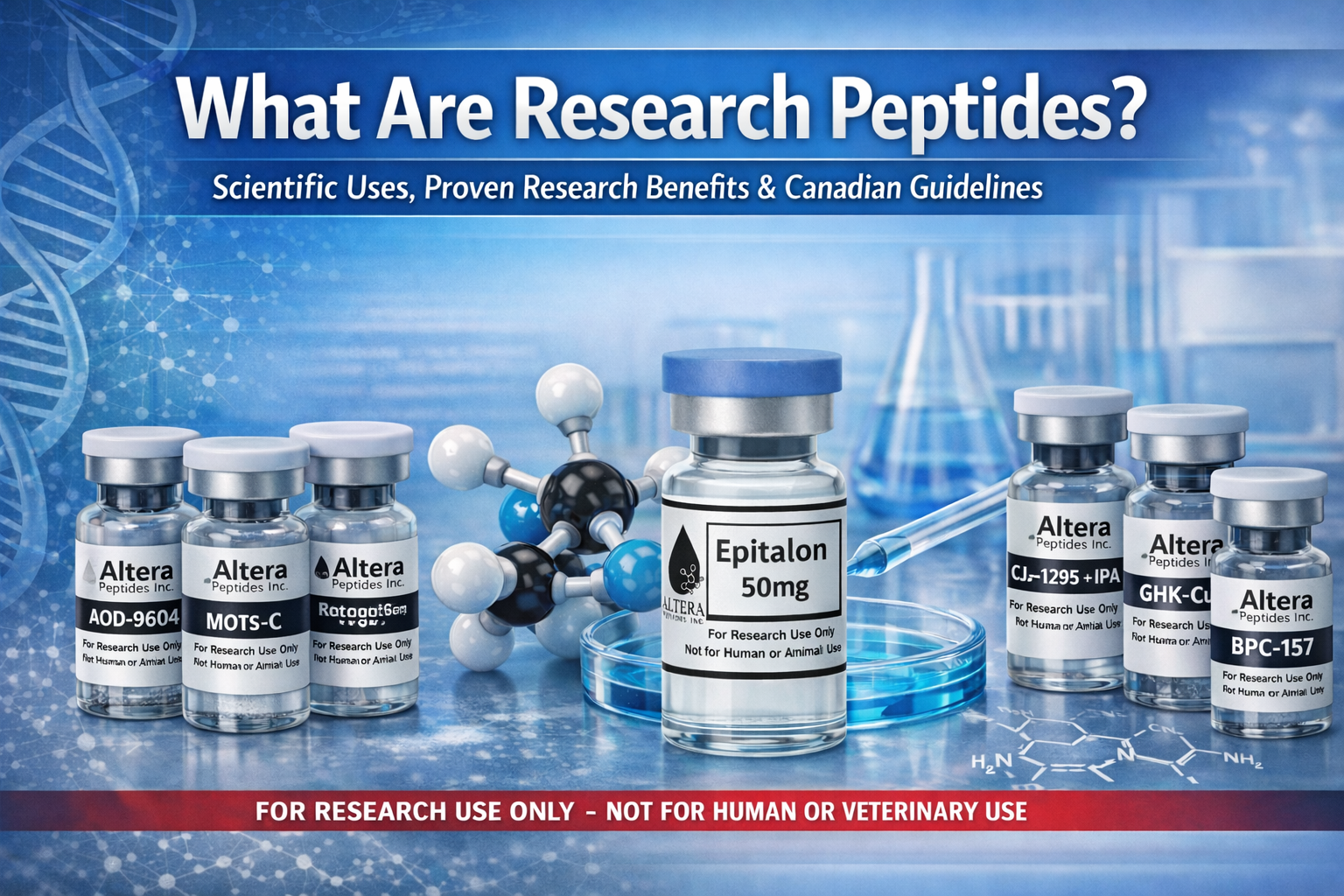
Make-up & Material
While peptide purity isn't the only variable, utilizing inadequately identified reagents is an acknowledged contributor to irreproducible outcomes. For a 10-residue peptide with 99.5% combining effectiveness, you would certainly expect regarding 95% of the end product to be the unabridged series prior to purification. For a 30-residue peptide at the very same performance, that goes down to about 86%. This is why longer peptides are more challenging to produce at high purity and generally cost more. Purity is the portion of publications in the delivery that have every page published properly, in the right order, without missing phases and no added web pages stuffed in. A 95% pureness indicates that out of every 100 "books" in your batch, 95 are excellent duplicates and 5 have some type of error.
Peptide Purity Analysis Service
As the percent of natural solvent gradually boosts during the run, particles are released from the column in order of their hydrophobicity-- the more hydrophobic a peptide, the longer it requires to elute (wash off). Since impurities typically differ from the target peptide by at least one amino acid, they have a little different hydrophobicities and show up as separate tops on the chromatogram. The bottom line is not to confuse pureness (HPLC percent of the main peptide vs pollutants) with total web content. For speculative planning (like calculating molar focus), both purity and web content serve numbers, however pureness is what mirrors the chemical homogeneity of the peptide sample.
We sustain amino acid composition analysis and internet peptide web content assessment for teams that require more reliable concentration setup and set interpretation. HPLC-tested means the sample was run through high-performance liquid chromatography to separate the target peptide from impurities. The purity percentage is typically computed from the main top location divided by the total integrated peak area.