Certifications Of Evaluation
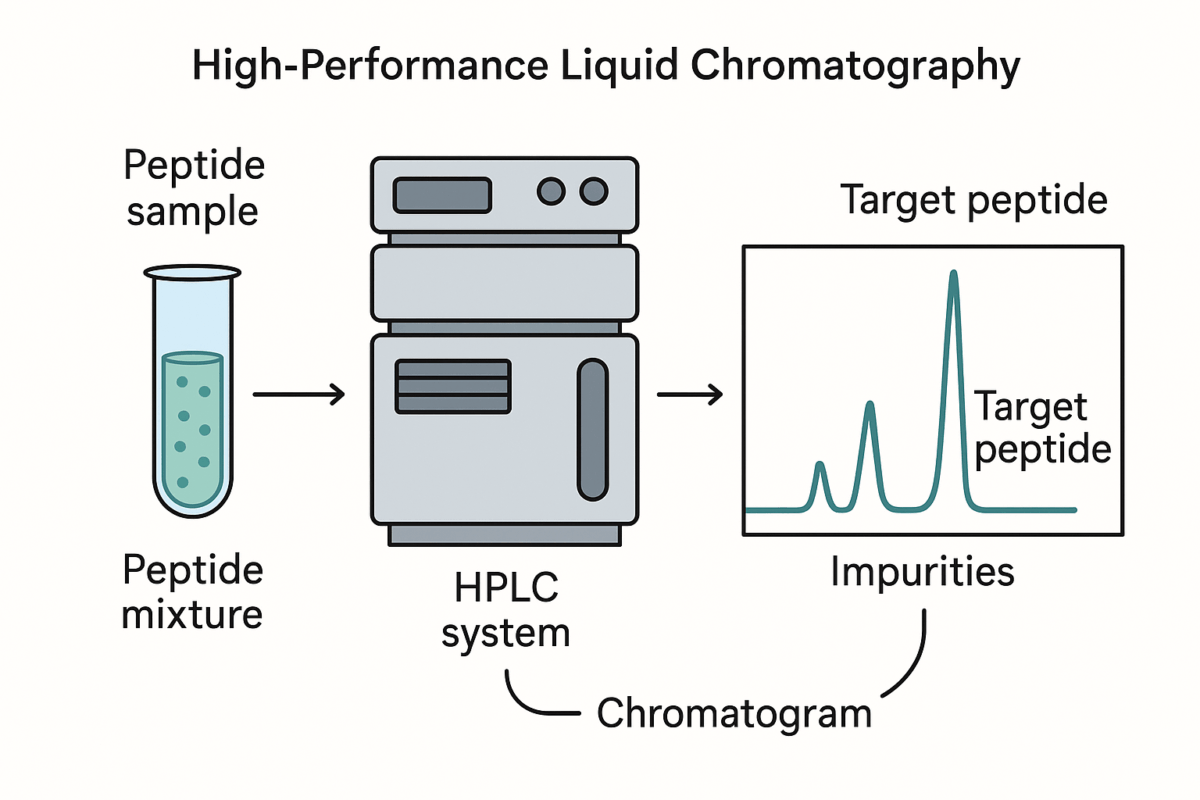
- HPLC helps describe the pureness profile, while LC-MS can support identity-related verification.Purchasers must also evaluate item labeling, site openness, storage space details, and the uniformity of documentation throughout the vendor's directory.LC-MS can assist show whether the sample aligns with the expected mass account of the peptide detailed on the document.Checking out a CoA isn't regarding memorizing every term however recognizing what each number implies for the task.Also when checking the same material, various labs may produce a little different outcomes as a result of these variables.
Peptides
A Certificate of Analysis is an integral part of peptide paperwork, but it is still beneficial to recognize what kind of file is being Exercise Physiology assessed. In many cases, a COA may be issued directly by the supplier or by a laboratory working within the distributor's documents process. In other cases, purchasers might would like to Visit website know whether any kind of component of the testing was performed or confirmed via third-party evaluation. One of one of the most common red flags is a missing batch or great deal number.Third-party testing may include another degree of self-confidence for buyers who want extra splitting up between the vendor and the logical report being presented. It can enhance the documentation image when clearly connected to the very same set. The peptide name should match the product exactly, and the set or whole lot number must be plainly visible.
Quality Starts With Verification
Matrix-Assisted Laser Desorption/Ionization Time-of-Flight (MALDI-TOF) and Electrospray Ionization (ESI) stand for the two key mass spectrometry strategies employed for peptide analysis. Both methods ionize the peptide particles and determine their mass-to-charge proportion, creating a range that serves as a molecular finger print. Some COAs include the actual chromatogram image, which provides visual confirmation of purity claims.
Peptide Certifications Of Analysis
This number must match precisely between the COA and the item tag. Manufacturing and expiration dates establish the product's age and remaining shelf life, with a lot of lyophilized peptides preserving security for months under proper storage space conditions. In the peptide industry, research-grade purity degrees over 90% are generally appropriate, with 95%+ considered excellent quality.